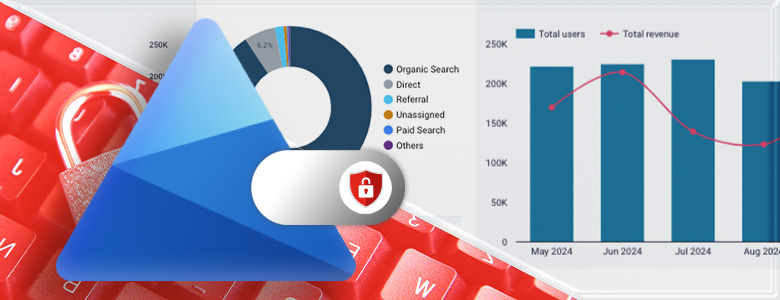
As AI-powered systems reshape discovery, the traditional definition of visibility is changing. Platforms driven by large language models (LLMs), including conversational chatbot interfaces and AI-enhanced search experiences, often act as first-touch research tools. This shift is redefining the difference between SEO and GEO, forcing companies to think beyond rankings and traffic alone.
We are no longer optimizing solely for position in “traditional” search results. Strategic digital strategies integrate both SEO and GEO, and optimize for inclusion, extractability, and citation within AI-generated answers.
What is SEO?
Search Engine Optimization (SEO) is the strategic process of improving a website’s visibility in organic search results to attract qualified traffic and generate measurable business outcomes such as sales, leads, or revenue.
SEO is not simply “adding keywords.” It requires a structured strategy that:
- Identifies high-intent, relevant keywords aligned with business goals based on specific metrics (volume, difficulty, specificity, etc.)
- Balances informational, commercial, and transactional search intent
- Maps keywords to specific pages
- Creates content designed to rank through both technical and on-page tactics
- Optimized page to improve conversion potential
If content is created without a clear keyword and intent strategy, a website risks attracting irrelevant traffic that does not convert.
The Three Core Pillars of SEO
SEO is traditionally divided into three main categories:

On-Page SEO
Optimization of content and HTML elements on a webpage, including:
- Title tags and meta descriptions
- Headings (H1–H6)
- Keyword placement and semantic coverage
- Internal linking
- Content quality and structure
Off-Page SEO
Signals that build authority and trust outside the website, primarily:
- Backlinks from relevant, authoritative websites
- Brand mentions
- Off-page content strategies
- Digital PR and a brand’s electronic footprint
Technical SEO
Infrastructure improvements that help search engines crawl, index, and understand a site:
- Site architecture and URL structure
- Page speed and Core Web Vitals
- Mobile optimization
- XML sitemaps
- Structured data
Foundations of Effective SEO
Using the above three approaches, the foundation of strong SEO performance relies on targeted keywords, high-quality backlinks, content optimized for search intent, and a site’s technical health and crawlability. Combined, these factors signal authority and relevance to search engines like Google and Bing, and result in ranking positions.
However, as user search behaviors evolve – with chat-driven research and AI-overviews becoming the primary first approach of buyers – ranking alone is no longer the only visibility metric that matters.
This is where GEO enters the conversation.
Why SEO Alone Is No Longer Enough
Search behavior has fundamentally changed. Users increasingly interact with AI-generated summaries, zero-click answers, and conversational interfaces that provide information instantly, often without requiring a website visit.
As platforms like Google integrate AI Overviews directly into search results, and large language models such as ChatGPT and Gemini become first-touch discovery tools, visibility is no longer measured solely by rankings. Traffic sources, brand visibility and even overarching digital marketing performance must be reevaluated for lift, impact and conversion attribution (determining which brand touchpoints are resulting in key performance indicators).
Traditional SEO KPIs, including traffic volume, keyword rankings, and impressions, are no longer sufficient to explain website performance. We are entering scenarios where overall organic traffic may decline, yet conversions increase. Why? Because AI-driven search experiences filter out low-intent users and deliver more qualified visitors who are further along in the decision-making process.
In this new landscape, performance must be evaluated beyond clicks. Visibility inside AI summaries, extractability by generative systems, and authority signals that influence AI selection now directly impact business outcomes. SEO remains foundational and important, but it no longer captures the full picture of digital visibility or revenue potential.
Explore Our SEO Services
What is GEO (Generative Engine Optimization)?
Generative Engine Optimization (GEO) is the practice of structuring and optimizing content so it can be understood, extracted, summarized, and cited by AI-driven systems.
The same piece of content is interpreted differently by search engines and AI systems. Traditional search engines rank pages based on relevance, authority, and technical signals. Generative systems analyze content to extract direct answers, synthesize information, and generate responses. If your content is not structured clearly and context-rich, it is less likely to be highlighted in AI-generated results.
In modern search strategies, Generative Engine Optimization (GEO) serves as the umbrella framework for optimizing content across AI-driven systems. Under GEO, three key subsets emerge:
- AEO (Answer Engine Optimization): Focuses on optimizing content for direct answer formats such as featured snippets, People Also Ask results, and voice search.
- AIO (AI Overview Optimization): Targets visibility within AI-generated summaries and overviews in search platforms like Google.
- LLM Optimization: Ensures content can be clearly interpreted, extracted, and cited by large language models such as ChatGPT, Gemini, and Microsoft Copilot.
All three are subsets of GEO because they share the same objective: making content structured, authoritative, and extractable enough to be selected and synthesized by AI systems. GEO does not replace traditional SEO – it expands it beyond rankings into generative visibility.
Why GEO Matters for B2B Companies
GEO is particularly critical for B2B companies because B2B buying journeys are often longer, research-heavy, and involve multiple stakeholders. Decision-makers do not rely on a single search query – they consult AI tools, develop vendor short-lists based on detailed capabilities, validate technical specifications, and seek summarized insights before ever filling out a form. Platforms powered by large language models, such as ChatGPT and Gemini, are increasingly used as research assistants during early-stage evaluation.
If a B2B company’s content is not structured, entity-rich, and authoritative enough to be extracted and cited by these systems, it risks being excluded from consideration entirely.

Unlike many B2C purchases, B2B decisions are often high-value and high-impact. Buyers look for expertise, credibility, and clarity before considering partners that have to go through multi-stage evaluation processes and complex on-boarding procedures.
GEO ensures that technical content, information on products and services, and thought leadership positions are formatted in a way that AI systems can interpret accurately and present confidently. In the modern environment, being included in AI-generated shortlists, summaries, and recommendations is critical for digital marketing success.
For B2B companies competing in focused or complex industries, GEO visibility can directly influence pipeline quality and revenue growth. Want to see what GEO can do for your organization’s lead generation and growth? Contact us to discuss your needs.
SEO vs GEO: Why They Work Best Together
SEO and GEO are not competing strategies, they are complementary layers of modern digital visibility. SEO builds the foundation: crawlability, keyword targeting, authority signals, backlinks, and rankings in traditional search engines such as Google. GEO builds on top of that foundation by ensuring the same content is structured, explicit, and semantically rich enough to be extracted, summarized, and cited by generative systems like ChatGPT and Gemini.
SEO helps a page rank; GEO helps it get quoted. When combined, they create a dual-visibility strategy: one optimized for search engine algorithms and another optimized for AI-driven answer engines. Brands that integrate both approaches position into a cohesive digital strategy improve results – driving decision-making conversations and building a modern visibility footprint.
The Difference Between SEO and GEO Summarized
SEO brings traffic to a website through traditional ranking results and GEO ensures your business is included in AI-generated answers. Ranking on search engines remains essential for visibility, but in an environment shaped by AI Overviews, zero-click results, and generative systems, being ranked is no longer enough. Content must also be structured, authoritative, and clear enough to be extracted, summarized, and cited by platforms powered by large language models such as ChatGPT and AI-enhanced search experiences like those from Google.

The companies that win in this new digital marketing landscape will not choose between SEO and GEO. They will integrate both: optimizing for clicks and earning highlights in the answers that shape modern B2B research and buying decisions.
At Stifel Marcin, our team helps organization empower their marketing success and drive modern digital strategies. Our client based is comprised of organizations operating in complex, research-intensive industries, and understanding this shift is a competitive advantage that sets the stage for long term growth and success.
Contact us to enhance your strategy. Our digital marketing team is ready to help you lead in the next era of search.