Website Development

2026 B2B Marketing Trends: What’s Ahead for Industrial and Technical Brands

B2B marketing does more than generate leads. It builds trust, creates personalized experiences, and proves measurable impact in a challenging market. For industrial and technical brands, strategic marketing means connecting with the hearts and minds of customers – leveraging technology and communications to promote a brand’s value, benefits, and maximize return. For over 20 years, Stifel Marcin has been at the forefront – helping B2B organizations adapt and thrive. As we look ahead at 2026 B2B marketing trends, several forces are shaping how manufacturers and technical brands connect with customers, from AI in B2B marketing to privacy-first strategies and the growing influence of videos and events. 1. AI Moves Beyond Buzzword to Strategic Necessity According to Demand Gen Report, 67% of B2B marketers already use AI for personalization, and that number is expected to exceed 80% by the end of 2026. When used properly, AI is a powerful asset in a B2B marketer’s toolbelt. At a basic level, it is a research assistant, thought starter, and efficiency driver. But AI users can also provide robust, data-driven computation to help analyze information, segment audiences and campaign insights, and even provide recommendations. With AI, the value relies not in the tool itself, but as they say – using the right “tool” (or prompt!) for the job. AI can be incredibly valuable but, especially in the complex world of B2B, it can also be incredibly wrong. Having a marketing team that understands how and why to use AI is critical. If you’re thinking AI can replace a marketing team – think again. Our agency helps brands utilize AI to its fullest potential, a tool in our arsenal to implement robust AI content optimization services to deliver efficiency without sacrificing authenticity. We establish clear guardrails to keep your brand’s voice human-centered, ensuring that AI enhances your message rather than diluting it. The goal is to let AI handle repetitive work, freeing up your team to focus on high-level strategy and genuine connection. Key takeaways: 2. How Privacy-First Strategies are Reshaping B2B Marketing With the ongoing deprecation of third-party cookies and new privacy regulations, the way B2B brands collect and use data is undergoing a fundamental shift. In 2026, marketers who still rely on outdated data collection will find their analytics skewed and their targeting capabilities severely limited. The focus is now on permission-based marketing and a first-party data strategy. This means focusing on what you own: your email lists, gated content downloads, event registrations, and direct CRM integrations. By building a robust library of first-party data, you not only provide compliance but also gain richer, more reliable insights into your ideal customer. Tools like Microsoft Clarity’s new consent mode and Google Consent Mode are becoming non-negotiable for accurate analytics, requiring a proactive – not reactive – approach. We guide our clients through this transition by building privacy-complaint lead capture systems. We develop valuable content and experiences that encourage users to share their information, creating a more powerful and trustworthy foundation for your marketing efforts. We also ensure that our clients’ data collection workflows and digital settings are up-to-date and compliant with the latest global and regional requirements as specific to their needs and standards. Key takeaways: Reach out to our digital marketing experts with questions related to privacy regulations. We are ready to help. 3. What Total Account Experience Means for Manufacturers With buyers spending roughly seven hours a day on screens, standing out from the vast amount of digital noise is more challenging than ever. In 2026, successful campaigns will be aligned to the buyer journey. Account-based marketing (ABM) is no longer a niche tactic but a core strategic discipline. The evolution from ABM to Total Account Experience (ABX) reflects a shift from simply targeting accounts to orchestrating a seamless, integrated experience across touchpoints. From tailored messaging and value propositions to calls-to-action and content types, campaigns with curated content and audience segmentation can help drive engagement and return. This means fully aligning sales and marketing efforts. This could mean a targeted ad campaign on LinkedIn that is followed by a relevant email sent through a CRM, and then personalized outreach from a sales representative. Every interaction, from a virtual event to a website visit, is designed to feel like a cohesive, valuable conversation. This coordinated effort not only shortens sales cycles but also boosts conversion rates by focusing resources on the audiences most aligned with a holistic marketing strategy and goals. Key takeaways: 4. Why Video Content Matters for B2B in 2026 The value of video has risen year-over-year in holistic marketing strategies, and in 2026 it should be included as part of a thoughtfully developed B2B plan. According to Hubspot, “over 80% of B2B buyers rely on video during vendor evaluations, up from 67% in 2024.” Buyers are watching video to research products, learn about new technologies, and validate vendor credibility. The most successful content isn’t just informative; it’s engaging and easily digestible. Video marketing can be more than product demos and facility tours. Valuable video content can include: Our approach helps clients leverage video across their marketing funnel, from brand awareness on social media to converting leads with digital resources that your sales team can share. Stifel Marcin’s full service capabilities mean we can leverage video across an overarching marketing plan, maximizing the value of video content across multiple channels to increase ROI. We don’t just create video; we create a strategic video plan that reinforces your expertise, aligns with your brand, and delivers growth. Key takeaways: Learn how you can leverage video marketing to engage customers with impact. 5. How Events are Evolving in a Post-Pandemic B2B World After a pandemic-induced hiatus, in-person events are back in full force, but their role has changed. The value of a trade show or conference is no longer defined by the booth alone. The ROI is determined by how well it integrates with your marketing ecosystem. The most successful event strategies will be hybrid and omnichannel. This includes: Events are a powerful content and relationship-building engine. They provide the ideal opportunity to interact one-on-one with

2026 B2B Marketing Trends: What’s Ahead for Industrial and Technical Brands Read More »
Microsoft Clarity Updates and Privacy Changes: What B2B Marketers Need to Know

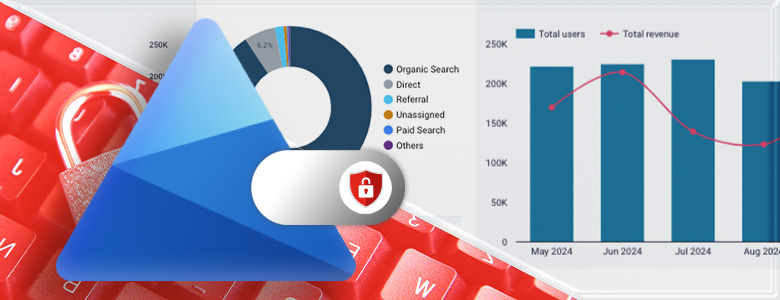
Big changes are coming to website analytics, and B2B marketers need to be prepared. Microsoft Clarity, the free tool many marketers use to understand website visitor behavior, will begin enforcing consent signal requirements on October 31, 2025. These changes bring Clarity in line with industry-standard privacy practices, such as Google Consent Mode, and will affect how data is collected, used, and reported.  For B2B marketers, this means adjusting your analytics strategy to ensure you continue receiving actionable insights while staying compliant with privacy regulations. The expert digital marketing team at Stifel Marcin is here to help. Explore our analytics and reporting services to see how we help B2B teams build data-driven strategies. What the Update Means for Your Data The update emphasizes explicit user consent. Previously, some analytics tools could operate under implied consent, but now users must actively opt in for tracking. Without consent, the following metrics will be affected: Individual heatmaps and single-page session recordings remain available, but key insights, like rage clicks, navigation paths, and multi-step drop-offs, may no longer be fully visible.  If you rely on Clarity for lead tracking and funnel analysis, now is the time to prepare. Our team can help audit your analytics tools to ensure you are still capturing meaningful insights. Reach out and let’s talk. Why This Matters for B2B Marketers For B2B websites, where sales cycles are often longer and customer journeys are more complex, these changes have real strategic implications: Ignoring these changes could lead to misinterpreted metrics, misallocated budgets, and lost opportunities to optimize conversion paths. Learn how our lead generation marketing services can help you continue filling your funnel even while adapting to evolving privacy rules. Privacy Updates and Consent Modes: The New Rules Consent modes have existed for years to respect visitor privacy while still allowing some level of analytics. What’s new is Microsoft Clarity’s enforcement of consent signals starting October 31, 2025. Key points for B2B marketers to understand: Partial tracking will make it harder to determine which channels, campaigns, or pages drive leads. Privacy-first analytics and first-party data collection are essential for maintaining insight into your website performance. How Our Agency Can Help You Navigate These Changes As your B2B marketing partner, we can help you adapt your analytics strategy to stay compliant while maintaining actionable insights: If you are looking for more ways to improve conversion rates, learn about our conversion rate optimization services to see how we combine analytics with UX best practices to drive measurable results. Don’t Wait to Adjust Your Strategy The Microsoft Clarity update and new privacy consent requirements will change how B2B marketers collect and use website data. Waiting until October 31, 2025, could leave your team scrambling to fix gaps in lead tracking, funnel analysis, and reporting.  We can help you prepare with customized solutions that align with your goals. From consent management integration to dashboards that focus on the metrics that matter, we’ll make sure you’re ready before the changes go live.  Contact us today or visit our analytics and reporting services page to get started. Stifel-Marcin – The B2B Marketing Agency Unlike many advertising and marketing agencies, B2B isn’t just something that we do, it’s all we do. We’ll work to help your brand achieve its goals through the strategic combination of creativity, communication and technology. Our focused client intake processes give us the ability to thoroughly understand your business, products and objectives, working to identify the competitive advantages and opportunities that will grow awareness, leads and sales. We develop innovative marketing plans with strategic, data-driven processes, presenting complex ideas and compelling messages that position your business ahead of the competition.  As your cooperative partner, our integrated B2B marketing agency is dedicated to your success. If you have questions about updates to Microsoft Clarity or privacy-related best practices, contact us today.

Microsoft Clarity Updates and Privacy Changes: What B2B Marketers Need to Know Read More »

A Marketing Guide: Creating a Website Privacy Policy Checklist for Your Business

In today’s digital age, where data is the backbone of business operations, online privacy has emerged as a critical concern. With an ever-growing emphasis on data protection and compliance, businesses must prioritize safeguarding user information to maintain trust and mitigate risks. This holds true for B2B enterprises, where sensitive data exchange is common. The stakes are high when it comes to privacy for B2B businesses. Breaches can lead to significant financial loss, reputational damage, certification compliance issues, and legal repercussions. Customers and business partners expect their data to be handled with extreme care, and negligence in privacy measures can have far-reaching consequences. As the digital landscape continues to evolve, businesses must proactively address customer and visitor privacy to stay ahead of the curve and protect their interests. Our digital experts have developed a website privacy policy checklist that serves as a practical guide for marketers, helping businesses navigate the complexities of data protection, compliance and user trust. Of course, your marketing team should also be in direct communication with your legal team, to ensure accuracy and compliance to your business operations and locations. Check out our tips below and contact our team who is ready to help with your B2B marketing needs and questions. Website Privacy Policy Checklist – Five Steps Whether you are an established business or an emerging start-up, this website privacy policy checklist can help minimize the risks associated with mishandling data, and is a great starting point to help make your online activities compliant with legal requirements. 1. Conduct a Privacy Audit A privacy audit involves an assessment of your website’s data collection, storage, processing, and security practices. It helps you understand what personal information you collect, how it is collected and how it is used and shared. A thorough audit will also detail your current privacy policies, cookie usage, third-party integrations, and security measures. Our digital marketing experts can support this assessment and provide proactive insights and recommendations that can help you mitigate risks. 2. Develop or Review Privacy Policies Privacy policies serve as a written statement that outlines how a business collects, uses, stores and shares user data. Privacy notices are concise notifications that inform users about specific data collection activities, such as the use of cookies or third party tracking. Both play a vital role in establishing transparency and trust with website visitors. But crafting clear and legally compliant privacy policies and notices can be a complex task, especially for B2B businesses that may have unique data processing requirements. Your management, website team, and legal department should work collaboratively on developing a comprehensive privacy policy, which often includes: • Data collection – a statement to clearly explain what types of personal information are collected from website visitors, such as names, email addresses or browsing behavior• Purpose of data collection – an explanation of the purposes for which the collected data will be used, whether it’s for order fulfillment, communication, personalization or analytics• Data sharing – disclose whether or with whom the collected data will be shared, such as third-party service providers, business partners or affiliates• User rights – outline the rights of users regarding their personal information, including the right to access, correct, delete or restrict the processing of their data• Opt out processes – explain to users the correct process to follow to request their information be removed from business databases and tracking as applicable to your site• Security – describe the measures in place to protect user data from unauthorized access, discourse, alteration or destruction A B2B marketing agency like Stifel Marcin can provide expertise in your website structure, development and processes, working with your legal team to assist in navigating privacy regulations. 3. Cookie Management and Consent Your website privacy policy checklist should include documentation of your cookie tracking and management practices. Cookies are small text files that are stored on a user’s device to track their online activities. It is important to manage cookies responsibly because they can collect sensitive information and impact user privacy. In many cases, the best approach is to obtain informed and explicit consent through the use of a third-party cookies function control or custom solution, triggering a pop-up message on a user’s site entrance. Regardless of your approach, businesses should demonstrate respect for user choices and their right to control personal data. When implementing cookie consent notices/banners, again, transparency is key. Clearly communicate to users what types of cookies are being used, their purpose and how the collected data will be used. Providing consent options allows users to choose which types of cookies they want to accept, giving them control of their privacy preferences. It is also important to maintain a record of user preferences, as this ensures compliance and allows users to easily manage and modify their consent settings. You can read more about cookies in our article. Stifel Marcin can assist in designing and developing user-friendly consent banners or installing cookie-related plug-ins that align with best practices, working with your team to establish processes for recording and managing user preferences. By leveraging our digital marketing knowledge and experience, you can understand the complexities of cookie management and consent effectively, maintaining user trust and meeting privacy obligations. 4. Implementing Data Protection Measures Customer data is valuable and businesses have a responsibility to protect it. Implementing data protection measures involve a combination of technical, organizational and procedural safeguards to ensure confidentiality, integrity and availability of customer data, including: • Security of data storage – employing secure servers or cloud platforms with strong authentication mechanisms and encryption protocols can help prevent unauthorized access to sensitive data. Encryption protects data both at rest and in transit, ensuring that if it is intercepted, it remains unintelligible to unauthorized parties. • Access controls – businesses can restrict data access to authorized personnel only, minimizing the risk of internal data breaches. Strong authentication measures, like multi-factor authentication, add layers of security to restrict access to authorized individuals. • Data backups – by implementing automated and regular backup processes, businesses can retrieve information in the event of a data loss or a security incident, minimizing downtime and data loss. • Plug-in updates – plug-ins, an extension of features and functionality added to

A Marketing Guide: Creating a Website Privacy Policy Checklist for Your Business Read More »

Scroll to Top